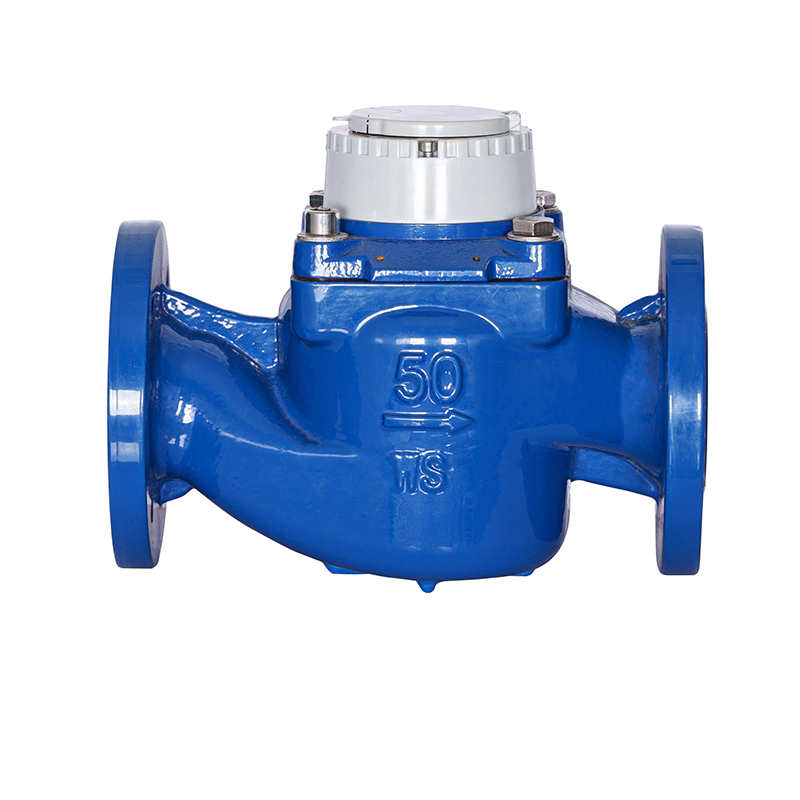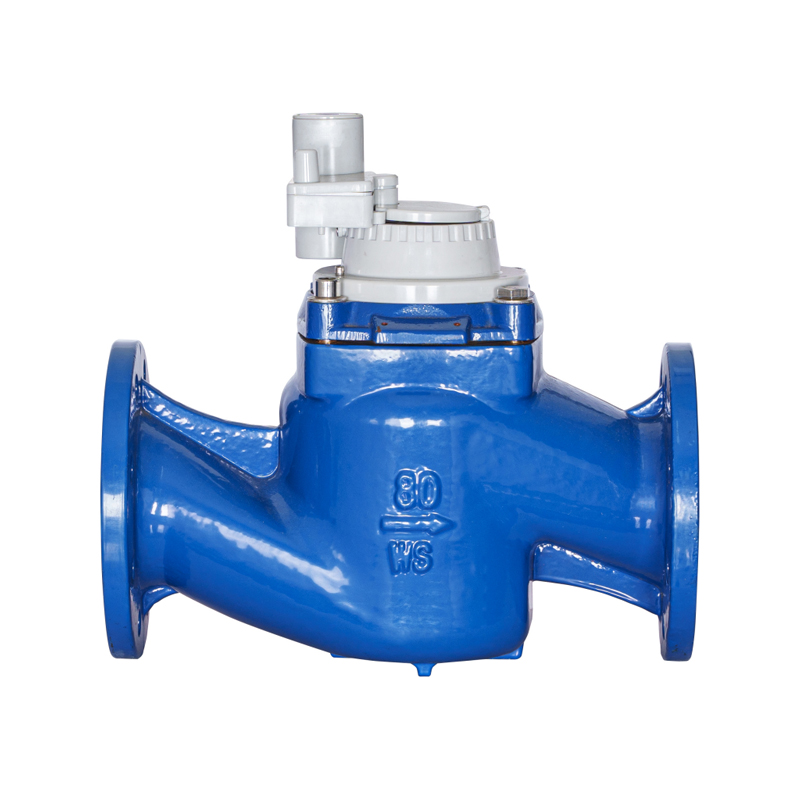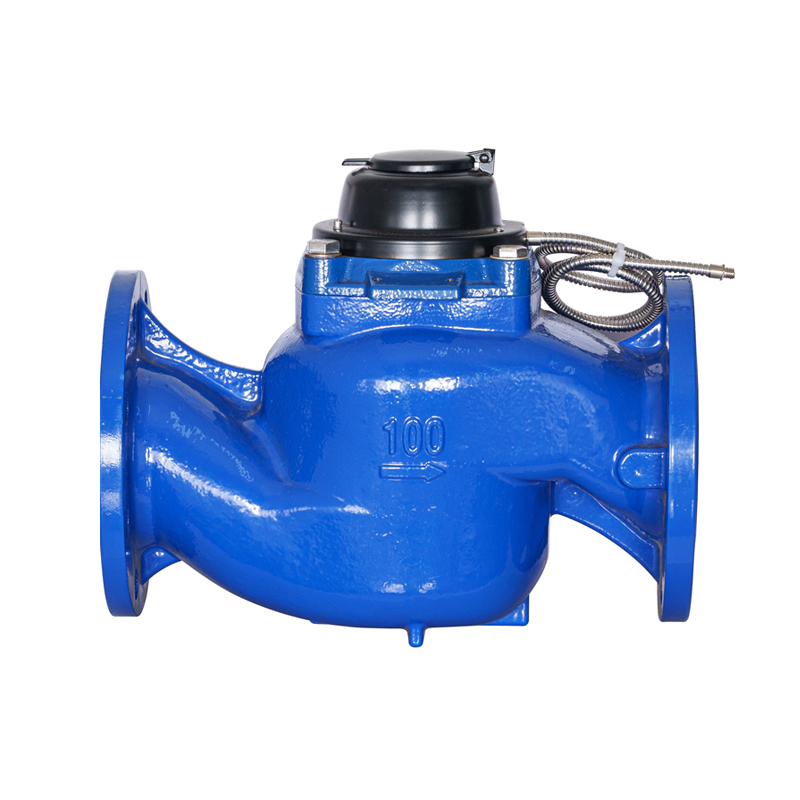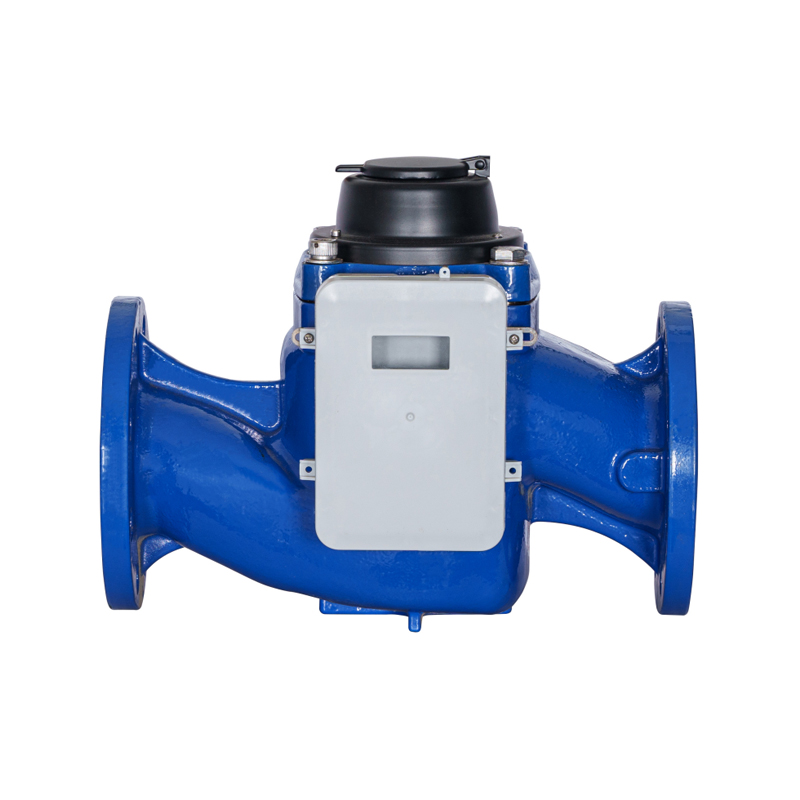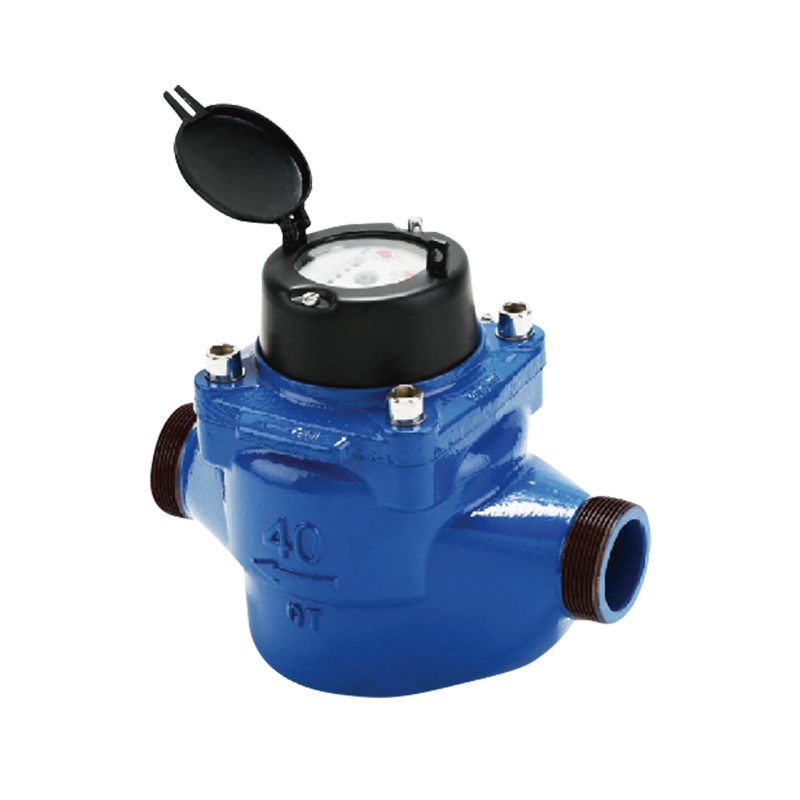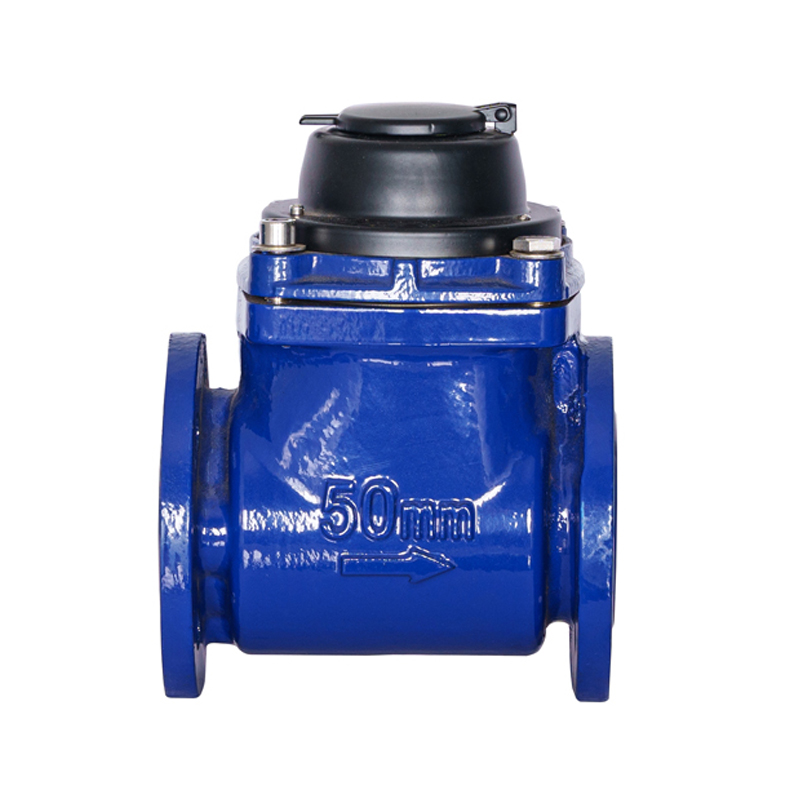



WS Vertical Spiral Wing Water Meter Istraktura at Mga Bahagi
Pangkalahatang-ideya ng WS Vertical Spiral Wing Water Meter
Ang WS Vertical Spiral Wing Water Meter ay kumakatawan sa isang advanced na uri ng volumetric water meter na gumagamit ng vertical spiral wing rotor na mekanismo upang makamit ang tumpak na pagsukat ng daloy ng tubig. Hindi tulad ng tradisyunal na piston o turbine water meter, ang meter na ito ay partikular na inengineered upang gumana nang mahusay sa malawak na hanay ng mga rate ng daloy, kabilang ang napakababa at pasulput-sulpot na mga daloy. Tinitiyak ng vertical spiral wing na disenyo na ang tubig ay pumapasok sa metro mula sa ibaba, gumagalaw paitaas sa loob ng spiral rotor chamber, at naglilipat ng linear flow energy sa rotational motion na may kaunting turbulence. Ang structural configuration na ito ay makabuluhang nagpapabuti sa katumpakan ng pagsukat, binabawasan ang pagkasira sa mga mekanikal na bahagi, at pinapaliit ang pagkawala ng presyon sa buong katawan ng metro.
Ang meter is commonly used in residential, commercial, and industrial water supply applications where precise measurement and long-term reliability are critical. It is also compatible with automated meter reading (AMR) and smart water management systems, allowing real-time monitoring and integration into larger utility networks. The structural integrity of the WS Vertical Spiral Wing Water Meter, combined with the precise engineering of its components, ensures consistent and repeatable performance over the entire lifespan of the meter.
Metrong Pabahay at Katawan
Ang housing of the WS Vertical Spiral Wing Water Meter is a critical component that provides mechanical support, protects internal components, and facilitates installation. Typically, the housing is manufactured from corrosion-resistant metals such as brass, stainless steel, or bronze. For specialized applications, high-strength engineering polymers may be used to reduce weight, prevent corrosion, and resist scaling from mineral-rich water sources. The housing is precision-machined to maintain internal smoothness, reducing turbulence and ensuring laminar flow into the spiral wing rotor.
Ang meter’s body includes clearly defined inlet and outlet ports aligned along the vertical axis, designed for secure connection to piping systems. These connections may be threaded or flanged, depending on the installation environment. The housing is engineered to withstand operating pressures typically ranging from 1 bar to 16 bar, and in some industrial variants, even higher pressures. Surface treatments such as electroplating, passivation, or epoxy coating may be applied to further enhance corrosion resistance, prolonging the service life of the meter in various water qualities, including potable water and non-aggressive industrial fluids.
Sa loob, ang pabahay ay nagbibigay ng rotor chamber kung saan nakikipag-ugnayan ang tubig sa mga spiral wings. Dinisenyo ang kamara na may na-optimize na daanan ng daloy upang mabawasan ang mga recirculation zone o dead space na maaaring magpakilala ng mga error sa pagsukat. Sa ilang mga modelo, ang mga inspeksyon na port o naaalis na mga takip ay nagbibigay-daan sa mga tauhan ng pagpapanatili na ma-access ang rotor at gear system nang hindi dinidiskonekta ang meter mula sa piping system, na nagbibigay-daan sa mabilis na serbisyo at pagpapalit ng bahagi.
Spiral Wing Rotor Mechanism
Ang spiral wing rotor is the centerpiece of the WS Vertical Spiral Wing Water Meter. It is responsible for converting the kinetic energy of flowing water into rotational energy. Constructed from highly durable materials such as stainless steel, engineered polymers, or composite alloys, the rotor is designed to resist wear, corrosion, and cavitation. The spiral wings are precisely shaped to ensure efficient interaction with water, generating smooth rotational motion even under low flow conditions.
Ang rotor typically includes multiple helical blades arranged along a central shaft. Water enters the rotor chamber and impinges on the blades, causing the rotor to spin at a speed proportional to the volumetric flow rate. The rotor is supported by high-precision bearings, often sealed to prevent the ingress of water or debris. This arrangement reduces friction and ensures long-term stability of the rotational speed, which is critical for accurate measurement. Some high-end models use ceramic or hybrid bearings to further reduce mechanical wear and maintain precision under high-frequency usage.
Ang spiral wing rotor design is particularly advantageous for measuring low flow rates, a common limitation of traditional meters. Its geometry allows the rotor to respond to minimal water movement, producing measurable rotational output even at flows as low as a few liters per hour. This capability ensures accurate billing and monitoring for applications where water conservation and precise measurement are essential.
Gear Transmission System
Ang rotational energy generated by the spiral wing rotor is transmitted to the counting mechanism through a carefully engineered gear transmission system. This system typically includes a series of gears that reduce the high-speed rotation of the rotor to a slower, measurable rate suitable for driving mechanical counters or electronic sensors. Each gear is precision-machined and assembled to maintain a linear correlation between rotor rotations and the volume of water passing through the meter.
Ang mga de-kalidad na materyales tulad ng hardened steel o reinforced polymers ay ginagamit para sa mga gears upang mabawasan ang pagkasira at maiwasan ang deformation sa paglipas ng panahon. Sa ilang mga disenyo, ang gear assembly ay lubricated sa loob, na tinitiyak ang maayos na operasyon at binabawasan ang posibilidad ng mekanikal na pagkabigo. Pinapalakas din ng sistema ng gear ang galaw ng rotor, na nagpapahintulot sa mekanismo ng pagbibilang na mairehistro nang tumpak ang maliliit na pagtaas ng daloy. Ang mga ratio ng gear ay maingat na kinakalkula upang mapaunlakan ang buong saklaw ng daloy ng metro, mula sa pinakamababa hanggang sa pinakamataas na mga rate ng daloy ng pagpapatakbo, na tinitiyak ang pare-parehong katumpakan sa ilalim ng iba't ibang mga kondisyon.
Mekanismo ng Pagbibilang
Ang counting mechanism converts the rotational motion transmitted from the gear system into readable measurements for users. In mechanical configurations, the mechanism consists of interlocking gears and numerical dials that display cumulative water consumption. Each rotation of the spiral wing rotor corresponds to a specific increment of water volume, and the counting mechanism accurately tracks this over time. Mechanical counters are often housed in transparent polycarbonate windows, allowing easy reading while protecting the mechanism from moisture and dust.
Ang Advanced na WS Vertical Spiral Wing Water Meter ay nagsasama ng mga mekanismo sa pagbibilang ng elektroniko, na gumagamit ng mga magnetic sensor, Hall-effect sensor, o optical encoder upang makita ang mga pag-ikot ng rotor. Ang mga electronic system na ito ay maaaring magbigay ng mga digital na pagbabasa, mga output ng pulso, at real-time na paghahatid ng data sa mga sentralisadong sistema ng pagsubaybay. Ang mga electronic counter ay nagbibigay-daan sa pagsasama sa mga smart water grids, na nagbibigay sa mga utility ng tumpak na data ng pagkonsumo, pagtukoy ng pagtagas, at mga kakayahan sa malayuang pagsubaybay.
Bearings at Shaft Assembly
Ang shaft and bearing assembly is a critical element that supports the rotor and ensures consistent rotational movement. The shaft is machined to exacting tolerances to prevent bending or misalignment that could degrade accuracy. Bearings are selected for low friction and high durability, with options including stainless steel, ceramic, or hybrid ball bearings. Bearings may be sealed to prevent water ingress and protect against particulate contamination.
Ang shaft may be connected directly to the rotor or through a coupling mechanism that allows for slight axial or radial movement. This flexibility prevents mechanical stress on the rotor and gear system, ensuring long-term reliability. The bearing assembly is designed for minimal maintenance, allowing the meter to operate for years without intervention.
Mga Seal, O-Rings, at Pag-iwas sa Leak
Ang mga bahagi ng sealing, kabilang ang mga O-ring at gasket, ay mahalaga sa pagganap ng WS Vertical Spiral Wing Water Meter. Pinipigilan ng mga seal na ito ang tubig na makatakas sa housing, pumasok sa gear assembly, o makaapekto sa rotor chamber. Ang mga materyales para sa mga seal ay pinili para sa pagiging tugma sa maiinom na tubig, paglaban sa mga pagkakaiba-iba ng temperatura, at tibay laban sa pagkakalantad ng kemikal. Ang wastong sealing ay nagsisiguro na ang rotor ay gumagana sa ilalim ng kontroladong mga kondisyon, na pinapanatili ang linear na relasyon sa pagitan ng daloy ng tubig at rotational na paggalaw.
Ang mga seal ay kadalasang ginawa mula sa mga de-kalidad na elastomer gaya ng EPDM o NBR, na nagbibigay ng pangmatagalang pagiging maaasahan. Ang mga advanced na disenyo ay maaaring magsama ng maraming sealing layer upang mapahusay ang leak resistance at maiwasan ang kontaminasyon ng mga panloob na bahagi.
Mga Gabay sa Daloy at Straightener
Upang ma-optimize ang pakikipag-ugnayan sa pagitan ng daloy ng tubig at ng spiral rotor, ang WS Vertical Spiral Wing Water Meter ay kadalasang may kasamang mga gabay sa daloy o mga straightener. Tinitiyak ng mga sangkap na ito na ang tubig ay pumapasok sa rotor chamber sa isang laminar flow pattern, na nagpapababa ng turbulence at nagpapabuti sa katumpakan ng pagsukat. Ang disenyo ng mga gabay sa daloy na ito ay kritikal, dahil ang hindi wastong flow conditioning ay maaaring maging sanhi ng pag-urong o pag-ikot ng rotor nang hindi pantay, na humahantong sa mga error sa pagsukat.
Ang mga flow straightener ay karaniwang gawa sa corrosion-resistant polymers o metal, na idinisenyo upang mapaglabanan ang presyon at bilis ng papasok na tubig. Ang pagkakalagay at geometry ng mga gabay na ito ay maingat na ininhinyero upang mapanatili ang pinakamainam na pamamahagi ng daloy sa mga rotor blades.
Mga Bahagi ng Display at User Interface
Ang display section provides a clear, readable measurement of water usage. Mechanical meters use rotating dials and counters, while electronic meters employ LCD screens or digital readouts. Protective covers, often made from polycarbonate or glass, shield the display from physical damage and condensation. In advanced meters, the interface may include wireless or pulse output modules for remote monitoring and integration into automated meter reading (AMR) systems. These interfaces allow utilities to collect data remotely, analyze usage patterns, and identify leaks or anomalies without manual reading.
Mga Materyales at Paglaban sa Kaagnasan
Ang pagpili ng materyal ay isang kritikal na kadahilanan para sa mahabang buhay at pagiging maaasahan ng WS Vertical Spiral Wing Water Meter. Ang lahat ng mga sangkap na nakikipag-ugnay sa tubig ay ginawa mula sa mga metal na lumalaban sa kaagnasan, haluang metal, o mga engineered polymer. Ang mga surface treatment gaya ng electroplating, passivation, o polymer coating ay nagpapahusay ng resistensya sa corrosion, scaling, at biofouling. Pinipili ang mga bearings at gears para sa wear resistance, at pinipili ang mga seal para mapanatili ang integridad sa paglipas ng mga taon ng operasyon. Tinitiyak ng mga pagsasaalang-alang sa disenyo na ang metro ay maaaring gumana sa magkakaibang mga katangian ng tubig, mula sa malambot na inuming tubig hanggang sa matigas o bahagyang agresibong pang-industriya na tubig, nang hindi nakompromiso ang katumpakan o habang-buhay.
WS Vertical Spiral Wing Water Meter Water Meter Movement Ipinaliwanag
Pangkalahatang-ideya ng Water Meter Movement sa WS Vertical Spiral Wing Water Meter
Ang water meter movement in the WS Vertical Spiral Wing Water Meter is a highly engineered mechanism designed to provide accurate and reliable measurement of water flow. The movement system is the functional core of the water meter, converting the kinetic energy of water flow into rotational energy that can be translated into readable volume data. Unlike traditional turbine or piston water meters, which rely on linear or rotary displacement methods, the WS Vertical Spiral Wing Water Meter employs a vertical rotor with spiral wings, specifically designed to maintain accuracy across a wide flow range and under varying pressure conditions.
Ang movement mechanism integrates multiple subcomponents, including the spiral wing rotor, shaft and bearing assembly, gear train, counting mechanism, and, in modern designs, electronic sensors. Each subcomponent is precisely engineered to ensure seamless interaction, minimal friction, and maximum durability. The movement system is also designed to respond effectively to low-flow conditions, making it suitable for residential applications where water usage is intermittent, as well as industrial scenarios that require precise monitoring of process water.
Spiral Wing Rotor Movement
Ang spiral wing rotor is the primary driver of the meter movement. When water enters the meter vertically, it encounters the helical blades of the spiral rotor. The design of the blades allows water flow to impart rotational energy efficiently, converting linear momentum into rotation with minimal turbulence. The geometry of the spiral wings is critical; it ensures that the rotor begins to move even at very low flow rates, enabling the meter to capture small-volume consumption that traditional meters might miss.
Ang rotor spins around a precisely machined shaft supported by high-precision bearings. The interaction between water and the rotor blades generates a rotational speed directly proportional to the volumetric flow rate. The rotor is balanced to prevent wobbling or lateral movement, which could introduce measurement errors. The spiral wing design also reduces the impact of backflow or pulsating flow, maintaining consistent rotational movement under dynamic water pressure conditions.
Ang rotor's movement is influenced by several factors, including water viscosity, temperature, pressure, and the smoothness of the rotor chamber. To optimize performance, manufacturers employ computational fluid dynamics (CFD) modeling during design, ensuring the rotor geometry provides uniform torque across the entire flow range. In high-end WS Vertical Spiral Wing Water Meters, the rotor may be coated or constructed with composite materials to reduce friction, resist corrosion, and extend the operational lifespan.
Shaft at Bearing Assembly
Ang rotor is mounted on a shaft, which is supported by a bearing assembly engineered for low-friction, long-term operation. The bearings are critical to the meter movement, as they allow the rotor to spin freely without axial or radial play that could compromise accuracy. Common bearing types include stainless steel ball bearings, ceramic hybrid bearings, or polymer-embedded bearings, all chosen for their wear resistance and stability under varying water pressures.
Ang shaft itself is precision-machined to tight tolerances to prevent bending, vibration, or misalignment. Misalignment can lead to increased mechanical friction, uneven rotor rotation, and ultimately, measurement errors. Bearings are typically sealed to prevent water ingress and particulate contamination, maintaining smooth operation. Some designs also incorporate lubrication systems, either with permanent low-friction grease or a small oil reservoir, to reduce wear over extended operation. The interaction between the shaft and rotor is designed to minimize energy loss, ensuring that even low water flows can drive the movement accurately.
Gear Train Transmission
Ang rotational energy from the spiral wing rotor is transferred to the counting mechanism via a gear train. This transmission system is carefully designed to maintain a linear relationship between rotor rotations and water volume, ensuring accurate measurement. The gear train consists of a series of interlocking gears with precise ratios that reduce or amplify rotational speed as needed for the counter or sensor mechanism.
Ang gear system must accommodate the full dynamic range of the meter, from extremely low flows to maximum rated flows. High-quality materials such as hardened steel, bronze alloys, or reinforced polymers are used to minimize wear and maintain dimensional stability. Gear teeth are machined with high precision to prevent backlash, slippage, or vibration, which could disrupt the counting accuracy. In some designs, the gears are lubricated internally or coated with self-lubricating materials to extend service life and reduce maintenance requirements.
Ang gear train also acts as a mechanical filter, smoothing out minor variations in rotor speed due to turbulence or transient water pressure changes. This function ensures that the counting mechanism receives a consistent input, maintaining measurement fidelity across a range of real-world conditions. Some advanced meters may include a coupling system within the gear train to absorb minor misalignments or shocks, protecting the movement system from mechanical stress.
Mekanismo ng Pagbibilang Movement
Ang counting mechanism converts rotational input from the gear train into readable volume data. Mechanical counting mechanisms consist of a series of dials or rotating wheels that cumulatively display water usage. Each increment on the dial corresponds to a defined volume of water, directly linked to the number of rotor rotations. Mechanical counters are typically protected within a transparent cover, which prevents moisture and debris from entering while allowing clear visibility of readings.
Sa mga electronic na variant, ang mekanismo ng pagbibilang ay gumagamit ng mga sensor gaya ng mga Hall-effect na device, magnetic pickup, o optical encoder para makita ang paggalaw ng rotor. Ang mga sensor na ito ay bumubuo ng mga electronic pulse na tumutugma sa dami ng tubig na dumadaan sa metro. Ang mga electronic na output ay maaaring magmaneho ng mga digital na display, makipag-ugnayan sa mga automated meter reading (AMR) system, o isama sa mga smart water management platform. Ang katumpakan ng mekanismo ng pagbibilang ay nakasalalay hindi lamang sa disenyo ng sensor o dial kundi pati na rin sa katatagan ng rotor at gear train, na tinitiyak na ang bawat pulso o pag-ikot ay tumpak na kumakatawan sa aktwal na daloy ng tubig.
Ang counting mechanism is designed to minimize mechanical play and maintain durability under long-term operation. Advanced designs include redundant detection systems to prevent errors caused by mechanical wear or environmental factors. The combination of precise gearing, low-friction bearings, and sensitive counting elements allows the WS Vertical Spiral Wing Water Meter to achieve high accuracy across its operational flow range.
Mababang-Daloy na Tugon
Ang isa sa mga tampok na pagtukoy ng paggalaw ng WS Vertical Spiral Wing Water Meter ay ang pagiging sensitibo nito sa mababang daloy. Ang spiral wing rotor ay partikular na idinisenyo upang makabuo ng masusukat na rotational movement kahit na sa minimal na daloy ng tubig. Ang mababang-flow na tugon na ito ay nakakamit sa pamamagitan ng maingat na pagbabalanse ng rotor mass, bearing friction, at blade geometry. Ang pagiging sensitibo sa mababang daloy ay nagsisiguro ng tumpak na pagsingil at pagsubaybay sa mga aplikasyon kung saan ang pagkonsumo ng tubig ay pasulput-sulpot o lubhang pabagu-bago, gaya ng mga apartment sa tirahan, mga sistema ng patubig, at mga prosesong pang-industriya na may pasulput-sulpot na paggamit ng tubig.
Ang tugon sa mababang daloy ay pinahusay sa pamamagitan ng pag-optimize ng hydrodynamics ng rotor chamber. Ang mga flow straightener at guide sa loob ng chamber ay nagpapababa ng turbulence at tinitiyak na ang tubig ay tumatama sa rotor blades nang pantay. Ang bearing at shaft system ay inengineered upang mabawasan ang paglaban sa pag-ikot, na nagpapahintulot sa rotor na malayang umiikot nang may kaunting metalikang kuwintas. Tinitiyak ng kumbinasyong ito ng mga tampok sa istruktura at mekanikal na disenyo na nakukuha ng metro ang kahit maliit na paggamit ng tubig nang tumpak.
Pulse Output at Remote Monitoring Integration
Ang mga modernong WS Vertical Spiral Wing Water Meter ay kadalasang nagsasama ng mga pulse output module bilang bahagi ng sistema ng paggalaw. Nakikita ng mga module na ito ang pag-ikot ng rotor at bumubuo ng mga pulso ng kuryente na tumutugma sa mga discrete volume ng tubig. Ang output ng pulso ay nagbibigay-daan sa pagsasama sa mga data acquisition system, remote monitoring platform, at automated meter reading infrastructure.
Ang movement system interfaces with the pulse module through either magnetic coupling or optical detection, ensuring precise and reliable transmission of flow information. Pulse outputs can be configured to deliver one pulse per liter, per gallon, or other defined volume unit. This capability enables utilities and industrial operators to track consumption in real time, detect leaks, and perform detailed analytics on water usage patterns.
Mga Materyales at Pagsasaalang-alang sa Katatagan sa Paggalaw
Ang WS Vertical Spiral Wing Water Meter movement relies on high-quality materials to maintain performance over years of operation. The rotor, shaft, and gears are typically constructed from corrosion-resistant metals, reinforced polymers, or composite materials. Bearings are selected for wear resistance and low friction, while seals and O-rings prevent water ingress into critical components. These material choices ensure that the movement remains precise despite exposure to varying water qualities, pressure fluctuations, and temperature changes.
Ang tibay ng sistema ng paggalaw ay pinahusay ng maingat na engineering ng mga interface ng bahagi. Ang rotor-to-shaft couplings, gear-to-counter connections, at bearing housings ay idinisenyo upang mabawasan ang mekanikal na stress at pantay na ipamahagi ang mga load. Ang disenyo ng pagpapadulas at selyo ay higit pang nagpapahaba ng buhay ng pagpapatakbo, na binabawasan ang dalas ng pagpapanatili at tinitiyak ang pare-parehong pagganap ng metro.
Pakikipag-ugnayan sa Pagitan ng Mga Bahagi
Ang movement system is a coordinated assembly of multiple interacting components. The spiral rotor generates rotational energy, the shaft and bearings provide support and minimize friction, the gear train transfers motion to the counting mechanism, and the counting or sensing element converts rotation into readable or electronically transmittable data. The performance of the movement system depends on precise alignment, proper material selection, and effective interaction among these components.
Ang dynamics ng daloy ay may papel din sa kahusayan ng paggalaw. Tinitiyak ng mga panloob na gabay at straightener ang daloy ng tubig ng laminar, habang ang disenyo ng spiral rotor blade ay nagko-convert ng kinetic energy sa rotational energy nang mahusay. Pinapalakas o pinapagana ng gear train ang pag-ikot ng rotor, at isinasalin ng mekanismo ng pagbibilang ang mekanikal na input sa isang masusukat na output. Ang bawat bahagi ay dapat gumana nang magkakasuwato upang makamit ang tumpak, maaasahan, at paulit-ulit na pagsukat ng tubig.
Katumpakan at Katumpakan ng WS Vertical Spiral Wing Water Meter
Pangkalahatang-ideya ng Katumpakan at Katumpakan sa WS Vertical Spiral Wing Water Meter
Ang accuracy and precision of the WS Vertical Spiral Wing Water Meter are critical parameters that define its suitability for residential, commercial, and industrial water metering applications. Accuracy refers to the closeness of the measured value to the actual volume of water passing through the meter, while precision refers to the meter’s ability to provide consistent readings under repeated or variable flow conditions. Both aspects are determined by the engineering of the spiral wing rotor, the movement mechanism, the gear transmission system, the counting mechanism, and the integration of flow guides and bearings.
Ang WS Vertical Spiral Wing Water Meter is designed to achieve high accuracy across a broad dynamic flow range, from minimal consumption levels to peak flow rates. The meter meets international metering standards, including ISO 4064 and OIML R49, which define permissible error ranges for cold water meters. Meeting these standards requires meticulous engineering of each component, precise calibration during manufacturing, and rigorous quality control procedures. Accuracy is influenced not only by the structural design of the meter but also by the consistency of the water flow entering the meter and environmental conditions such as temperature and pressure variations.
Spiral Wing Rotor at Katumpakan ng Pagsukat ng Daloy
Ang spiral wing rotor is the primary element responsible for converting the kinetic energy of water into rotational motion. Its geometric design, including blade curvature, pitch, and alignment along the rotor shaft, directly affects the meter’s accuracy. The rotor is engineered to respond proportionally to water velocity, maintaining linearity between flow rate and rotational speed across the entire operating range.
Ang katumpakan ng rotor ay pinahusay sa pamamagitan ng CNC machining, laser cutting, o injection molding ng mga composite na materyales upang matiyak ang eksaktong sukat at mga profile ng blade. Kahit na ang maliliit na deviation sa blade geometry ay maaaring magpakilala ng mga error sa pagsukat, lalo na sa mababang rate ng daloy kung saan ang minimal na torque ay nabuo. Ang mga simulation ng computational fluid dynamics (CFD) ay kadalasang ginagamit upang i-optimize ang geometry ng rotor, bawasan ang turbulence, pagpigil sa paghihiwalay ng daloy, at pagtiyak ng pare-parehong pamamahagi ng torque. Ang rotor ay balanse upang mabawasan ang pag-uurong o panginginig ng boses, na maaaring makompromiso ang katumpakan sa ilalim ng iba't ibang kundisyon ng daloy.
Ang rotor’s interaction with water is influenced by the meter chamber design. Smooth internal surfaces and strategically placed flow straighteners or guides help maintain laminar flow, minimizing eddies and pressure fluctuations that can affect rotor rotation. The vertical orientation of the meter further enhances flow alignment, ensuring consistent rotor response regardless of inlet pressure variations.
Shaft at Bearing Assembly Influence on Precision
Ang shaft and bearing assembly is a crucial factor in the precision of the WS Vertical Spiral Wing Water Meter. Bearings support the rotor shaft, allowing low-friction rotation and maintaining precise alignment under all flow conditions. High-precision ball bearings, ceramic hybrid bearings, or polymer-embedded bearings are selected for minimal radial and axial play, which ensures that the rotor spins consistently without lateral displacement.
Naaapektuhan din ang katumpakan ng mga pagpapaubaya ng baras at mga katangian ng materyal. Ang isang ganap na tuwid at matibay na baras ay pumipigil sa pag-uurong at hindi pagkakahanay, na tinitiyak na ang bawat pag-ikot ng rotor ay gumagawa ng pare-pareho at predictable na output. Pinipigilan ng mga bearing seal ang pagpasok ng tubig, kontaminasyon ng mga labi, at pagkawala ng lubrication, na maaaring magpahina sa katumpakan sa paglipas ng panahon. Ang ilang mga high-end na metro ay gumagamit ng pre-lubricated o sealed bearings na may mababang friction coating upang mapanatili ang katatagan at katumpakan ng paggalaw kahit na sa ilalim ng matagal na mga ikot ng pagpapatakbo.
Gear Transmission System at Linearity ng Pagsukat
Ang gear train in the WS Vertical Spiral Wing Water Meter translates rotor rotation into a form suitable for the counting mechanism. The ratio, alignment, and manufacturing quality of gears are fundamental to both accuracy and precision. Gear teeth must be precisely machined to prevent backlash, slippage, or deformation, which could introduce systematic errors or variability in readings.
Ang gear train is designed to preserve linearity between rotor motion and counter increments. High-speed rotor rotations are reduced or amplified appropriately to match the counting mechanism’s resolution. Lubrication or low-friction materials reduce wear and maintain gear engagement over millions of operational cycles. Gear precision ensures that the movement remains repeatable and that even small volumes of water result in correct increments on the counter or sensor.
Mekanismo ng Pagbibilang Accuracy
Ang counting mechanism, whether mechanical or electronic, translates the rotor and gear motion into readable measurements. Mechanical counters use interlocking dials calibrated to match the gear output, with tolerances carefully maintained to avoid cumulative errors. Electronic counters employ sensors such as Hall-effect devices, magnetic pickups, or optical encoders to detect rotor motion and generate pulse outputs or digital readings.
Ang pagkakalibrate ng mekanismo ng pagbibilang ay mahalaga para sa katumpakan. Ang bawat pagtaas ay dapat na eksaktong tumutugma sa isang kilalang dami ng tubig, na nangangailangan ng pag-calibrate ng pabrika laban sa standardized na kagamitan sa pagsukat ng daloy. Maaaring isama ng mga electronic system ang mga algorithm sa pagwawasto ng error upang mabayaran ang mga maliliit na variation sa bilis ng daloy o tugon ng sensor. Maaaring gamitin ang mga redundant sensing element para i-verify ang mga sukat, na tinitiyak ang katumpakan kahit sa malupit o variable na operating environment.
Katumpakan ng Mababang Daloy at Mataas na Daloy
Ang WS Vertical Spiral Wing Water Meter is engineered to maintain high accuracy across its entire flow range. At low flow rates, rotor sensitivity, low-friction bearings, and optimized blade design allow the meter to detect minimal water movement and generate measurable output. Low-flow accuracy is particularly important in residential applications where intermittent consumption is common.
Sa mataas na rate ng daloy, tinitiyak ng katatagan ng istruktura at mga tumpak na ratio ng gear na ang metro ay hindi mababad o gumagawa ng mga nonlinear na output. Ang rotor chamber ay idinisenyo upang maiwasan ang mga error sa pagsukat na dulot ng turbulence, at ang mga flow straightener ay nagpapanatili ng laminar flow kahit na sa ilalim ng peak demand na mga kondisyon. Ang katumpakan sa ilalim ng iba't ibang mga kondisyon ng presyon ay pinahusay sa pamamagitan ng katatagan ng materyal, integridad ng tindig, at pagbabalanse ng rotor.
Mga Salik sa Kapaligiran na Nakakaapekto sa Katumpakan
Ang katumpakan at katumpakan ay naiimpluwensyahan ng mga kondisyon sa kapaligiran, kabilang ang temperatura ng tubig, pagbabagu-bago ng presyon, at kalidad ng tubig. Ang WS Vertical Spiral Wing Water Meter ay idinisenyo gamit ang mga materyales at seal na nagpapaliit sa mga epekto ng thermal expansion, nagpapanatili ng integridad ng istruktura sa ilalim ng presyon, at lumalaban sa kaagnasan o scaling. Ang mga bearings at rotor na materyales ay pinili upang mapanatili ang pare-parehong mekanikal na katangian sa isang malawak na hanay ng temperatura. Ang mga flow straightener at chamber geometry ay nakakatulong na mabawasan ang mga epekto ng lumilipas na pressure surges, na tinitiyak ang stable na rotor motion.
Pag-calibrate at Quality Control
Ang pag-calibrate ng pabrika ay isang kritikal na hakbang sa pagkamit ng mataas na katumpakan at katumpakan. Sinusubukan ang bawat metro sa saklaw ng daloy ng pagpapatakbo nito gamit ang mga standardized na test rig na ginagaya ang mga tunay na kondisyon sa mundo. Ang mga paglihis mula sa inaasahang pagbabasa ay itinatama sa pamamagitan ng fine-tuning ng gear train, rotor alignment, o mekanismo ng pagbibilang. Ang mga advanced na metro ay maaaring isa-isang i-calibrate, at ang data ng pagkakalibrate ay maaaring iimbak nang elektroniko para sa pag-verify sa hinaharap.
Kasama sa mga pamamaraan ng pagkontrol sa kalidad ang inspeksyon ng geometry ng rotor, mga pagpapaubaya sa bearing, pakikipag-ugnayan ng gear, at pag-andar ng mekanismo ng pagbibilang. Tinitiyak ng mga prosesong ito na ang bawat metro na umaalis sa pabrika ay nakakatugon sa mahigpit na mga kinakailangan sa katumpakan at nagpapanatili ng katumpakan sa mga taon ng operasyon. Ang ilang mga modelo ay sumasailalim sa pangmatagalang pagsubok upang gayahin ang pinahabang buhay ng serbisyo, na nagpapatunay na ang katumpakan at katumpakan ng metro ay pinananatili sa ilalim ng paulit-ulit na mga ikot ng paggamit.
Mga Materyales at Pagsasaalang-alang sa Disenyo para sa Katumpakan
Ang pagpili ng materyal at pag-optimize ng disenyo ay may malaking papel sa pagpapanatili ng katumpakan. Ang mga rotor at shaft na materyales ay pinili para sa dimensional na katatagan, wear resistance, at corrosion resistance. Ang mga gear ay pinatigas o pinahiran upang mabawasan ang pagpapapangit sa ilalim ng mekanikal na pagkarga. Ang mga bearings ay mababa ang friction at selyadong upang mapanatili ang pare-parehong pag-ikot. Pinipigilan ng mga seal at O-ring ang pagpasok ng tubig at pinapanatili ang matatag na mga panloob na kondisyon. Ang flow chamber geometry ay na-optimize para mabawasan ang turbulence at matiyak ang pare-parehong tugon ng rotor.
Kasama rin sa mga pagsasaalang-alang sa disenyo ang pagliit ng mekanikal na paglalaro, pagbabawas ng backlash sa gear system, at pagpapanatili ng pagkakahanay ng lahat ng bahagi. Tinitiyak ng mga hakbang na ito na ang metro ay nagbibigay ng paulit-ulit at tumpak na pagbabasa sa iba't ibang rate ng daloy, presyon, at katangian ng tubig.
Pagsunod sa Mga Pamantayan
Ang WS Vertical Spiral Wing Water Meter is designed to comply with international standards for water meter accuracy, including ISO 4064, OIML R49, and local regulatory requirements. Compliance ensures that the meter operates within defined permissible error ranges, both under normal and extreme flow conditions. Standardization involves rigorous testing, certification, and verification of both accuracy and precision, ensuring reliable performance in residential, commercial, and industrial applications.
Mga Alituntunin sa Pag-install ng WS Vertical Spiral Wing Water Meter
Pangkalahatang-ideya ng Mga Pagsasaalang-alang sa Pag-install
Ang wastong pag-install ng WS Vertical Spiral Wing Water Meter ay kritikal para sa pagtiyak ng tumpak at maaasahang pagsukat ng daloy ng tubig. Nakatuon ang mga alituntunin sa pag-install sa tamang pagpoposisyon, pagkakahanay, integridad ng koneksyon, mga kondisyon sa kapaligiran, at pagiging tugma sa mga piping system. Ang disenyo ng vertical spiral wing ay nangangailangan ng partikular na atensyon sa oryentasyon, suporta, at direksyon ng daloy, dahil ang hindi wastong pag-install ay maaaring humantong sa mga kamalian sa pagsukat, pagtaas ng mekanikal na pagkasira, o napaaga na pagkabigo ng mga panloob na bahagi.
Bago ang pag-install, ang isang masusing pagtatasa ng sistema ng supply ng tubig ay kinakailangan. Kabilang dito ang pagsusuri sa diameter ng tubo, mga katangian ng daloy, presyon ng tubig, temperatura, at pagkakaroon ng mga debris o mga kontaminadong kemikal. Ang WS Vertical Spiral Wing Water Meter ay idinisenyo para sa parehong residential at industrial na aplikasyon, ngunit tinitiyak ng maingat na pagpaplano na ang katumpakan at mahabang buhay nito ay pinananatili. Ang mga tool, materyales, at accessory tulad ng mga mounting bracket, gasket, seal, at flow straightener ay dapat ihanda ayon sa mga detalye ng tagagawa.
Oryentasyon at Posisyon ng Meter
Ang WS Vertical Spiral Wing Water Meter is designed for vertical installation, with the inlet at the bottom and the outlet at the top. Vertical orientation ensures that water flows directly through the spiral wing rotor, providing consistent rotor rotation and accurate measurement. Installing the meter horizontally or at an incorrect angle can disrupt laminar flow, cause turbulence, and lead to rotor wobble or uneven rotation.
Ang clearance sa paligid ng metro ay dapat sapat upang payagan ang access para sa pagpapanatili at pagbabasa ng mekanismo ng pagbibilang. Ang metro ay dapat na naka-mount sa isang matatag, walang vibration na ibabaw o suportado ng naaangkop na mga bracket upang maiwasan ang paggalaw sa panahon ng operasyon. Ang pagkakahanay ng tubo ay dapat mapanatili upang maiwasan ang pagpapataw ng diin sa pabahay ng metro, mga koneksyon, at mga panloob na bahagi. Ang anumang mga paglihis mula sa patayong oryentasyon ay maaaring makompromiso ang katumpakan at habang-buhay ng metro.
Paghahanda ng Pipe at Pagkondisyon ng Daloy
Bago i-install ang metro, dapat na ihanda ang piping system upang magbigay ng malinis, matatag na daloy. Ang mga debris, sediments, o particulate matter sa pipe ay maaaring makapinsala sa spiral wing rotor at bearings. Ang pag-install ng mga strainer o mga filter sa itaas ng agos ng metro ay inirerekomenda upang maiwasan ang mga dayuhang materyal mula sa pagpasok sa rotor chamber.
Ang mga flow straightener o guide vane ay dapat gamitin kung ang pagsasaayos ng tubo sa itaas o sa ibaba ng agos ay nagdudulot ng kaguluhan. Ang mga liko, siko, balbula, o biglaang pagpapalawak ay maaaring magdulot ng pagbabagu-bago ng bilis, mga puyo ng tubig, at hindi pantay na distribusyon ng daloy, na negatibong nakakaapekto sa paggalaw ng metro. Ang isang inirerekomendang seksyon ng tuwid na tubo sa itaas at sa ibaba ng agos ng metro ay nagsisiguro ng laminar flow, binabawasan ang error sa pagsukat, at pinahuhusay ang pagiging sensitibo sa mababang daloy. Karaniwan, inirerekomenda ang hindi bababa sa lima hanggang sampung diameter ng tubo ng straight run upstream at tatlo hanggang limang diameters downstream, depende sa diameter ng pipe at mga katangian ng daloy.
Mga Pamamaraan ng Koneksyon at Pagbubuklod
Ang WS Vertical Spiral Wing Water Meter inlet and outlet ports are equipped with threaded, flanged, or compression connections depending on model specifications. Proper sealing is essential to prevent leaks and maintain measurement accuracy. Gaskets or O-rings must be compatible with potable water and rated for the operating temperature and pressure of the system.
Ang mga sinulid na koneksyon ay dapat higpitan ayon sa mga detalye ng metalikang kuwintas ng tagagawa upang maiwasan ang sobrang paghigpit, na maaaring ma-deform ang housing o makompromiso ang mga seal. Ang mga flanged na koneksyon ay nangangailangan ng naaangkop na mga bolts, washer, at gasket, na hinihigpitan sa isang cross-pattern na pagkakasunud-sunod upang matiyak ang pare-parehong presyon at maiwasan ang pagbaluktot. Pagkatapos ng pag-install, ang lahat ng mga koneksyon ay dapat na siniyasat para sa mga tagas sa ilalim ng mababang at mataas na presyon ng mga kondisyon. Maaaring gamitin ang mga pansamantalang sealing material tulad ng PTFE tape o thread sealant kung inirerekomenda ng tagagawa.
Alignment at Suporta sa Mekanikal
Ang wastong pagkakahanay ng metro na may kaugnayan sa sistema ng tubo ay mahalaga. Ang maling pagkakahanay ay maaaring lumikha ng lateral stress sa meter housing, bearings, at shaft, na humahantong sa napaaga na pagkasira at hindi tumpak na pagbabasa. Ang WS Vertical Spiral Wing Water Meter ay dapat na suportado ng mga mounting bracket o support structures upang mapawi ang stress mula sa piping. Ang mga flexible coupling o expansion joint ay maaaring gamitin upang sumipsip ng thermal expansion o vibration nang hindi nagpapadala ng pwersa sa meter.
Ang meter must be installed so that the spiral wing rotor is free to rotate without interference. Bearing and shaft assembly tolerances are designed for precise alignment, and any mechanical stress can introduce friction or wobble, reducing both accuracy and lifespan. Support brackets should be adjustable to facilitate minor positional corrections during installation and future maintenance.
Mga Pagsasaalang-alang sa Kapaligiran at Operasyon
Ang installation location should protect the meter from extreme environmental conditions. Temperature fluctuations, direct sunlight, freezing temperatures, and vibration can affect meter performance. In regions prone to freezing, insulation or heat tracing may be necessary to prevent water in the rotor chamber from freezing, which can damage internal components.
Ang mga de-koryente at elektronikong bahagi, kung mayroon, ay dapat na protektahan mula sa moisture at electromagnetic interference. Para sa mga panlabas na instalasyon, ang mga proteksiyon na housing o enclosure ay inirerekomenda upang maiwasan ang pagkakalantad sa ulan, alikabok, o aksidenteng epekto. Ang mga metro ng tubig na naka-install sa mga pang-industriyang kapaligiran ay dapat isaalang-alang ang pagkakalantad ng kemikal, kontaminasyon ng particulate, at mga potensyal na epekto sa makina mula sa katabing kagamitan.
Paunang Pag-komisyon at Pag-verify ng Daloy
Pagkatapos ng pag-install, ang WS Vertical Spiral Wing Water Meter ay dapat sumailalim sa paunang pag-commissioning. Ang prosesong ito ay nagsasangkot ng paglilinis ng hangin mula sa metro at pipeline upang maiwasan ang cavitation at matiyak ang matatag na paggalaw ng rotor. Ang mga air pocket ay maaaring magdulot ng maling pagbabasa, pag-stalling ng rotor, o mekanikal na stress sa shaft at bearings. Ang metro ay dapat punuin ng tubig nang paunti-unti, obserbahan ang paggalaw ng rotor upang matiyak ang maayos na pag-ikot nang walang kakaibang vibrations o ingay.
Isinasagawa ang pag-verify ng daloy sa pamamagitan ng paghahambing ng pagbabasa ng metro sa isang reference na pamantayan, tulad ng isang naka-calibrate na volumetric tank o flow calibration rig. Ang mga paunang pagbabasa sa maramihang mga rate ng daloy ay naitala upang kumpirmahin na ang metro ay gumagana sa loob ng tinukoy na mga pagpapaubaya sa katumpakan. Ang anumang paglihis ay maaaring magpahiwatig ng maling pagkakahanay, kaguluhan, mga debris obstruction, o mga error sa pag-install na dapat itama bago ang regular na operasyon.
Pagsasama sa Upstream at Downstream System
Ang WS Vertical Spiral Wing Water Meter must be integrated correctly with valves, regulators, and control devices in the piping system. Upstream valves should be fully open to avoid creating turbulence that can impact rotor movement. Downstream valves or restrictions should not induce backpressure that exceeds the meter’s rated operating conditions.
Para sa mga metrong may output ng pulso o mga elektronikong interface, ang paglalagay ng kable at mga koneksyon ay dapat na maingat na iruta upang maiwasan ang mekanikal na stress o electromagnetic interference. Ang mga signal wire ay dapat na ihiwalay sa mataas na boltahe na linya, water pump, o motor na maaaring makabuo ng ingay na makakaapekto sa katumpakan ng sensor. Maaaring gumamit ng proteksiyon na conduit o shielding para sa mahabang cable run, partikular sa mga pang-industriyang installation.
Maintenance Accessibility
Sa panahon ng pag-install, dapat gawin ang probisyon para sa madaling pag-access sa metro para sa regular na inspeksyon, pagpapanatili, at pagbabasa. Pinapadali ng vertical orientation ang pagpapanatili ng spiral wing rotor, gear assembly, at mekanismo ng pagbibilang. Ang espasyo sa paligid ng metro ay dapat magpahintulot sa pag-alis ng tuktok na takip, pag-access sa mekanismo ng pagbibilang, at pag-inspeksyon ng mga seal at bearings nang hindi dinidiskonekta ang meter mula sa sistema ng tubo.
Sinusuportahan din ng sapat na clearance ang pag-install ng mga karagdagang bahagi gaya ng mga flow straightener, strainer, o temperature at pressure sensor. Tinitiyak ng pagiging naa-access sa pagpapanatili na ang mga inspeksyon ay maaaring isagawa nang walang malawakang pagsasara ng system, binabawasan ang downtime ng pagpapatakbo at pinapanatili ang katumpakan ng metro sa paglipas ng panahon.
Kaligtasan at Pagsunod sa Regulasyon
Ang pag-install ay dapat sumunod sa mga lokal na code, pamantayan, at mga regulasyon sa kaligtasan. Dapat gumamit ang mga tauhan ng naaangkop na personal protective equipment (PPE) kapag hinahawakan ang metro at nauugnay na piping. Dapat isagawa ang pressure testing at system startup alinsunod sa mga alituntunin ng manufacturer at mga naaangkop na pamantayan para maiwasan ang mga panganib tulad ng water hammer, biglaang paglabas ng pressure na tubig, o mekanikal na pinsala.
Ang wastong dokumentasyon ng proseso ng pag-install, kabilang ang mga serial number, data ng pag-calibrate ng daloy, at mga talaan ng pagkakahanay, ay sumusuporta sa pagsunod sa regulasyon at pinapadali ang inspeksyon o mga kinakailangan sa sertipikasyon sa hinaharap.
Pagsubok at Pagpapatunay ng Pagganap
Kasunod ng pag-install, dapat isagawa ang komprehensibong pagsubok upang mapatunayan ang pagganap. Kasama sa mga pagsubok ang pagsuri para sa mga tagas, pag-verify ng mga pagbabasa ng daloy sa hanay ng pagpapatakbo, pagtatasa ng tugon sa mababang daloy, at pagkumpirma ng mekanikal na katatagan ng rotor at gear train. Ang pagganap sa ilalim ng mga lumilipas na kundisyon, tulad ng biglaang pagbabago ng presyon o daloy ng daloy, ay dapat suriin upang matiyak ang pare-parehong operasyon ng metro.
Ang mga metrong may electronic o pulse output system ay dapat na masuri para sa katumpakan ng signal, pagiging maaasahan ng komunikasyon, at pagsasama sa mga remote monitoring platform. Ang anumang mga pagkakaiba ay dapat matugunan bago ang metro ay ilagay sa tuluy-tuloy na operasyon.